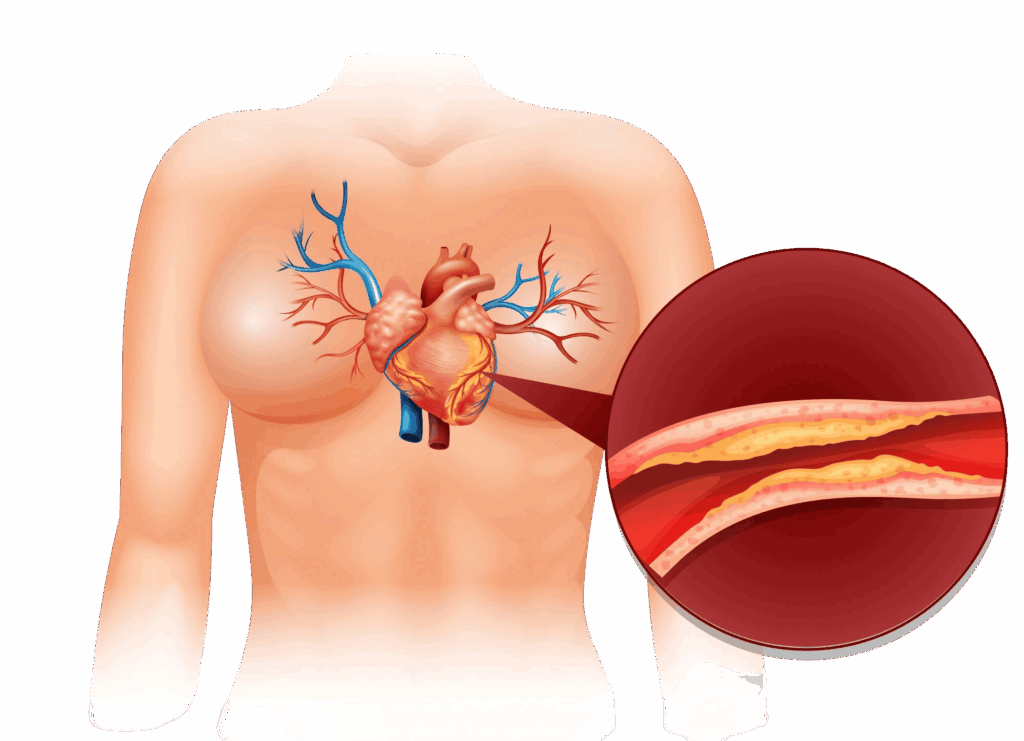
Cholesterol is a type of fat-like substance that the body needs to produce hormones, vitamin D, and substances that support digestion. However, elevated levels of certain blood lipids, particularly LDL cholesterol, can contribute to plaque formation inside the arteries. Over time, this may narrow the blood vessels and increase the risk of coronary artery disease, heart attack, and stroke.
At Rudra Care Heart and Child Clinic, cholesterol assessment focuses on understanding lipid levels, evaluating cardiovascular risk, and supporting appropriate prevention and management strategies.
A lipid profile generally measures:
Total Cholesterol: The overall amount of cholesterol in the blood.
LDL Cholesterol: Often called bad cholesterol because elevated levels can contribute to plaque formation.
HDL Cholesterol: Often called good cholesterol because it helps transport cholesterol away from the bloodstream.
Triglycerides: A type of fat in the blood that can contribute to cardiovascular risk when elevated.
The significance of each result depends on the patient’s overall health and risk factors.
High cholesterol may be associated with:
Family history of elevated cholesterol
Diet high in saturated or trans fats
Physical inactivity
Excess body weight
Diabetes and metabolic conditions
Thyroid or kidney disorders
Smoking and certain medications
High cholesterol usually does not cause noticeable symptoms. A blood test is needed to identify it.
A cardiologist may review:
Lipid profile results
Personal and family history
Blood pressure and diabetes status
Smoking history and lifestyle habits
Existing cardiovascular disease
Other factors affecting heart and blood vessel health
Additional investigations may be recommended depending on the patient’s risk profile.
Management may include dietary changes, regular physical activity, weight management, and prescribed lipid-lowering medication when appropriate. Some patients, particularly those with established cardiovascular disease or high risk, may need more intensive LDL cholesterol reduction.
At Rudra Care Heart and Child Clinic, cholesterol evaluation supports a broader approach to cardiovascular prevention. Regular follow-up helps assess treatment response and address additional risk factors to support long-term heart health.