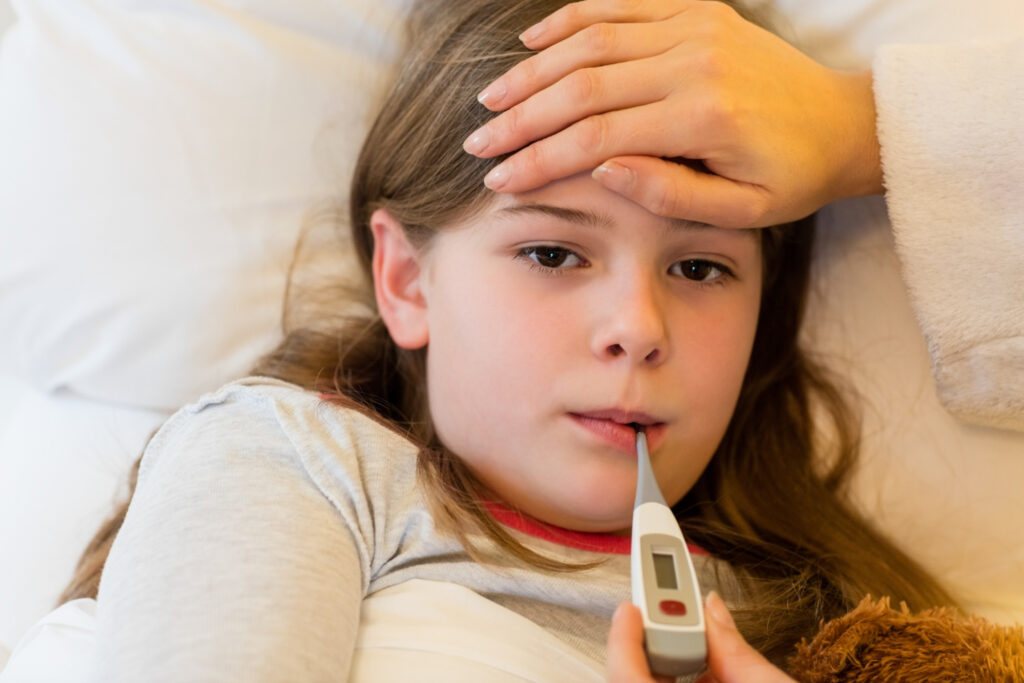
Fever is one of the most common reasons parents seek medical attention for their children. It is usually a sign that the body is responding to an infection or another underlying condition. Although many childhood infections are mild and improve with appropriate care, some may require medical evaluation to identify the cause and prevent complications.
At Rudra Care Heart and Child Clinic, pediatric consultations for fever and common infections focus on understanding the child’s symptoms, identifying possible causes, and recommending appropriate care based on age, medical history, and clinical findings.
Children may experience different types of infections as their immune systems develop. Common concerns include:
Viral fever and seasonal infections
Common cold and upper respiratory infections
Sore throat and tonsillitis
Ear infections
Cough and respiratory infections
Gastrointestinal infections
Urinary tract infections
Skin infections
The symptoms and treatment requirements can vary depending on the type of infection and the child’s age.
Parents should seek medical advice if their child experiences:
Elevated body temperature
Persistent cough or cold
Sore throat or difficulty swallowing
Vomiting or loose stools
Reduced appetite or fluid intake
Unusual tiredness or irritability
Ear pain or skin rashes
Fever that persists or returns
Very young infants with a temperature of 38°C or higher require prompt medical assessment. Breathing difficulty, seizures, unusual drowsiness, or signs of severe dehydration also require urgent attention.
A pediatric assessment may include:
Review of fever duration and associated symptoms
Medical and vaccination history
Physical examination
Assessment of hydration and general activity
Examination of the throat, ears, chest, and abdomen
Blood or urine investigations when clinically indicated
Treatment depends on the underlying cause. Viral infections generally require supportive care, while bacterial infections may require specific treatment prescribed by a doctor.
Parents may receive guidance about adequate fluids, rest, nutrition, temperature monitoring, and appropriate medication use. Antibiotics should only be used when prescribed for an appropriate bacterial infection.
At Rudra Care Heart and Child Clinic, the focus is on careful pediatric evaluation, timely guidance, and helping parents understand how to care for their child during illness.