
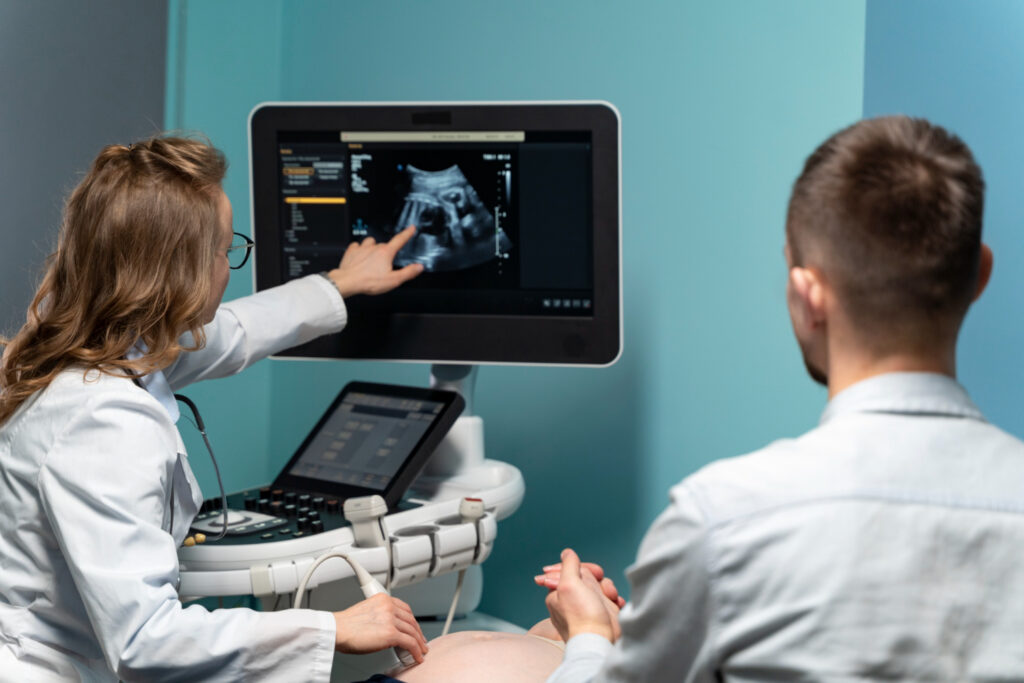
A 2D echocardiogram, commonly called a 2D Echo, is a non-invasive ultrasound examination that produces moving images of the heart. It helps evaluate the heart’s chambers, valves, muscle movement, and pumping function. Unlike an ECG, which records electrical activity, an echocardiogram provides visual information about the heart’s structure and function.
At Rudra Care Heart and Child Clinic, 2D Echo may be recommended when a patient has symptoms or clinical findings that require a closer assessment of cardiovascular health.
A cardiologist may advise an echocardiogram for:
Breathlessness or reduced exercise tolerance
Suspected heart failure
Heart murmurs or possible valve disease
Chest symptoms requiring structural assessment
Swelling in the legs or ankles
Suspected cardiomyopathy
Monitoring selected known heart conditions
Evaluation following certain cardiac events or procedures
The need for an echocardiogram depends on the patient’s symptoms, medical history, and examination findings.
Heart Chambers: Assesses the size and appearance of the atria and ventricles.
Pumping Function: Evaluates how effectively the heart contracts and pumps blood, including left ventricular ejection fraction when appropriate.
Heart Valves: Examines whether the valves open and close normally and identifies possible narrowing or leakage.
Heart Muscle: Evaluates the movement and structure of the heart muscle.
Blood Flow: Doppler imaging may be used to assess the direction and speed of blood flow through the heart.
Fluid Around the Heart: Helps identify fluid accumulation in the pericardial space.
The patient generally lies on an examination bed while an ultrasound probe is moved over the chest using a small amount of gel. Images are captured from different positions to assess the heart.
The test is painless, does not use ionizing radiation, and usually does not require special preparation.
The findings are interpreted alongside symptoms, medical history, and other investigations. Depending on the results, the cardiologist may recommend medication, further tests, or periodic monitoring.
At Rudra Care Heart and Child Clinic, 2D echocardiography supports the evaluation of heart structure and function, helping guide appropriate and individualized cardiac care.