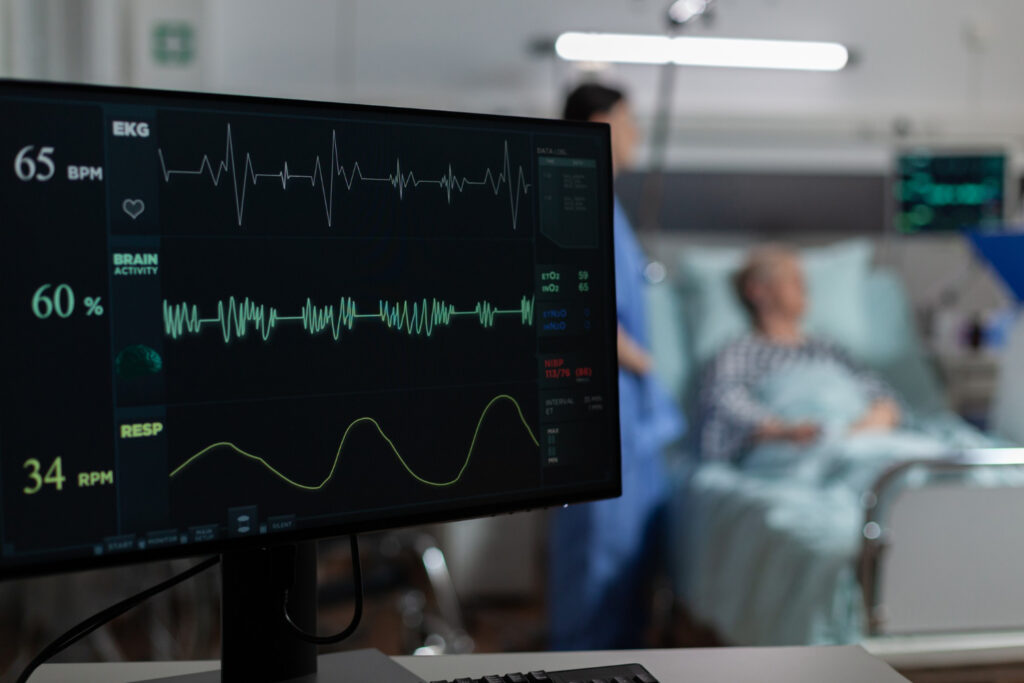
An electrocardiogram, commonly known as an ECG or EKG, is a non-invasive test that records the electrical activity of the heart. It helps assess heart rate, rhythm, and electrical conduction patterns. An ECG is often one of the first investigations recommended when a patient experiences symptoms that may be related to the heart.
At Rudra Care Heart and Child Clinic, ECG testing may be used during cardiac consultations, routine assessments, and the evaluation of symptoms such as chest discomfort, palpitations, dizziness, or breathlessness.
A cardiologist may recommend an ECG for patients experiencing:
Chest pain or pressure
Fast, slow, or irregular heartbeat
Palpitations or fluttering sensations
Dizziness or fainting episodes
Breathlessness or unexplained fatigue
Suspected rhythm disturbances
Symptoms requiring evaluation for possible heart disease
An ECG may also be used to monitor selected patients with known cardiac conditions or to assess changes during treatment.
A standard resting ECG is usually completed within a few minutes.
The patient lies comfortably on an examination bed.
Small adhesive electrodes are placed on the chest, arms, and legs.
The electrodes detect the heart’s electrical signals.
The ECG machine records these signals as a tracing.
The results are reviewed by a qualified clinician.
The procedure is painless and does not send electricity into the body. No injections are required, and patients can generally return to their normal activities afterwards.
An ECG may help detect or suggest:
Atrial fibrillation and certain other arrhythmias
Abnormally fast or slow heart rates
Electrical conduction abnormalities
Certain changes associated with a heart attack
Patterns that may require further cardiac investigation
An ECG provides a brief recording of heart activity. Some conditions may not appear during the test, so a normal ECG does not rule out every heart problem.
Depending on the symptoms and ECG findings, the cardiologist may recommend additional investigations such as an echocardiogram, Holter monitoring, blood tests, or stress testing.
At Rudra Care Heart and Child Clinic, ECG testing supports the assessment of heart-related symptoms and helps guide appropriate next steps in cardiac care.